Heat pump vs furnace energy efficiency is a hot topic for homeowners looking to optimize their heating systems. Understanding how these two systems operate is crucial for making informed decisions that impact both comfort and energy costs. While heat pumps transfer heat from the outside air or ground, furnaces generate heat by burning fuel, creating significant differences in their efficiency and environmental impact.
In this exploration, we will delve into the mechanics behind each system, the energy conversion processes, and the various types of heat pumps and furnaces available today. Additionally, we’ll examine energy efficiency ratings, operational costs across different climates, and the environmental implications of choosing one system over the other. By the end, you’ll have a clearer picture of which system might be right for your home.
Basic Principles of How Heat Pumps Operate Compared to Furnaces
Heat pumps and furnaces are two distinct systems used for heating spaces, yet they employ different mechanisms to achieve similar results. Understanding the basic principles behind each system reveals the energy efficiency and overall effectiveness of heating solutions. Heat pumps work by transferring heat from one place to another, while furnaces generate heat through fuel combustion, making their processes fundamentally different.Heat pumps function based on the principles of thermodynamics, specifically the refrigeration cycle.
They extract heat from the outside air, ground, or water and move it inside your home. When the heat pump operates in heating mode, a refrigerant circulates through the system, absorbing heat from the external environment even in cold conditions. This heat is compressed to increase its temperature and then released into the home through the indoor coils. The process is reversed in cooling mode, where the heat pump removes heat from the indoor air and releases it outside.In contrast, furnaces operate by burning fuel—such as natural gas, propane, or oil—to generate heat.
The combustion process occurs in a heat exchanger, where hot gases produced by burning the fuel transfer their heat to the surrounding air. This heated air is then circulated throughout the home via ductwork. Unlike heat pumps, furnaces do not move heat from one location to another; they create heat on demand through combustion, which can lead to higher energy consumption depending on the efficiency of the furnace and the fuel used.
Energy Conversion Processes in Heat Pumps and Furnaces
The energy conversion processes for heat pumps and furnaces highlight their operational differences and energy efficiency levels. Heat pumps utilize electricity to power the compressor and fans, while the primary energy source for furnaces is fuel combustion.In heat pumps, the conversion efficiency is represented by the Coefficient of Performance (COP), which measures the heat output relative to the electrical energy consumed.
For instance, a heat pump with a COP of 3 produces three units of heat for every unit of electricity consumed, indicating high energy efficiency.Conversely, furnaces are often rated by Annual Fuel Utilization Efficiency (AFUE), which indicates the percentage of fuel energy converted to heat. A high-efficiency furnace may have an AFUE rating exceeding 90%, meaning that only a small percentage of energy is lost in the combustion process.To summarize the operational differences between the two systems, here are examples of various types:
- Air-source heat pumps: These are common in milder climates and work well for both heating and cooling by transferring heat between the indoors and outdoors.
- Geothermal heat pumps: More efficient than air-source, these systems take advantage of stable underground temperatures, providing consistent heating and cooling throughout the year.
- Gas furnaces: Often preferred in colder climates, gas furnaces can provide rapid heating and are typically more expensive to install but cheaper to operate than electric furnaces.
- Electric furnaces: While they generally cost less to install, electric furnaces may result in higher energy bills depending on local electricity rates.
Identify the energy efficiency ratings associated with heat pumps and furnaces.
Understanding the energy efficiency ratings of heating systems is crucial for homeowners looking to reduce their energy consumption and costs. Heat pumps and furnaces utilize different metrics to assess their efficiency, which can significantly impact performance and operational expenses. By familiarizing yourself with these ratings, you can make informed decisions when selecting the best heating system for your specific needs.The two primary metrics used to evaluate the energy efficiency of heating systems are the Seasonal Energy Efficiency Ratio (SEER) for heat pumps and the Annual Fuel Utilization Efficiency (AFUE) for furnaces.
SEER measures the cooling efficiency of heat pumps over a cooling season, while AFUE indicates how effectively a furnace converts fuel into usable heat over a year. High ratings in both metrics suggest better energy efficiency and lower operational costs.
Seasonal Energy Efficiency Ratio (SEER) Overview
The Seasonal Energy Efficiency Ratio (SEER) is a key performance indicator for heat pumps, particularly regarding their cooling capabilities. It represents the ratio of the cooling output (in British Thermal Units or BTUs) to the energy consumed (in watt-hours) during a designated cooling season.
Higher SEER ratings indicate greater efficiency, meaning more cooling output per unit of energy consumed.
For example, a heat pump with a SEER rating of 16 is more efficient than one with a rating of 14. As a result, if you live in a region with a hot climate, opting for a heat pump with a higher SEER can lead to significant reductions in energy costs during peak cooling months.
Annual Fuel Utilization Efficiency (AFUE) Overview
The Annual Fuel Utilization Efficiency (AFUE) is a metric specifically designed for furnaces. It measures the percentage of fuel converted into usable heat over the course of a year.
For instance, a furnace with an AFUE rating of 90% converts 90% of its fuel into heat, while 10% is lost in exhaust.
This rating is critical for homeowners using gas or oil furnaces, as it directly impacts heating costs. Selecting a furnace with a higher AFUE rating can lead to lower energy bills and increased comfort during colder months.
Impact of Energy Efficiency Ratings on Overall Energy Consumption
Both SEER and AFUE ratings play a significant role in determining how much energy a heating system will consume over its lifespan. Higher efficiency ratings often correlate with lower energy usage, which not only helps save on utility bills but also reduces the environmental impact. The efficiency ratings can vary considerably based on the system’s design and technology used. For instance, modern heat pumps often feature inverter technology, which allows them to adjust their output based on demand, enhancing efficiency compared to traditional models.
Similarly, high-efficiency furnaces may include advanced heat exchangers and modulating burners that optimize fuel consumption.
Regional Climate Influence on Efficiency Ratings
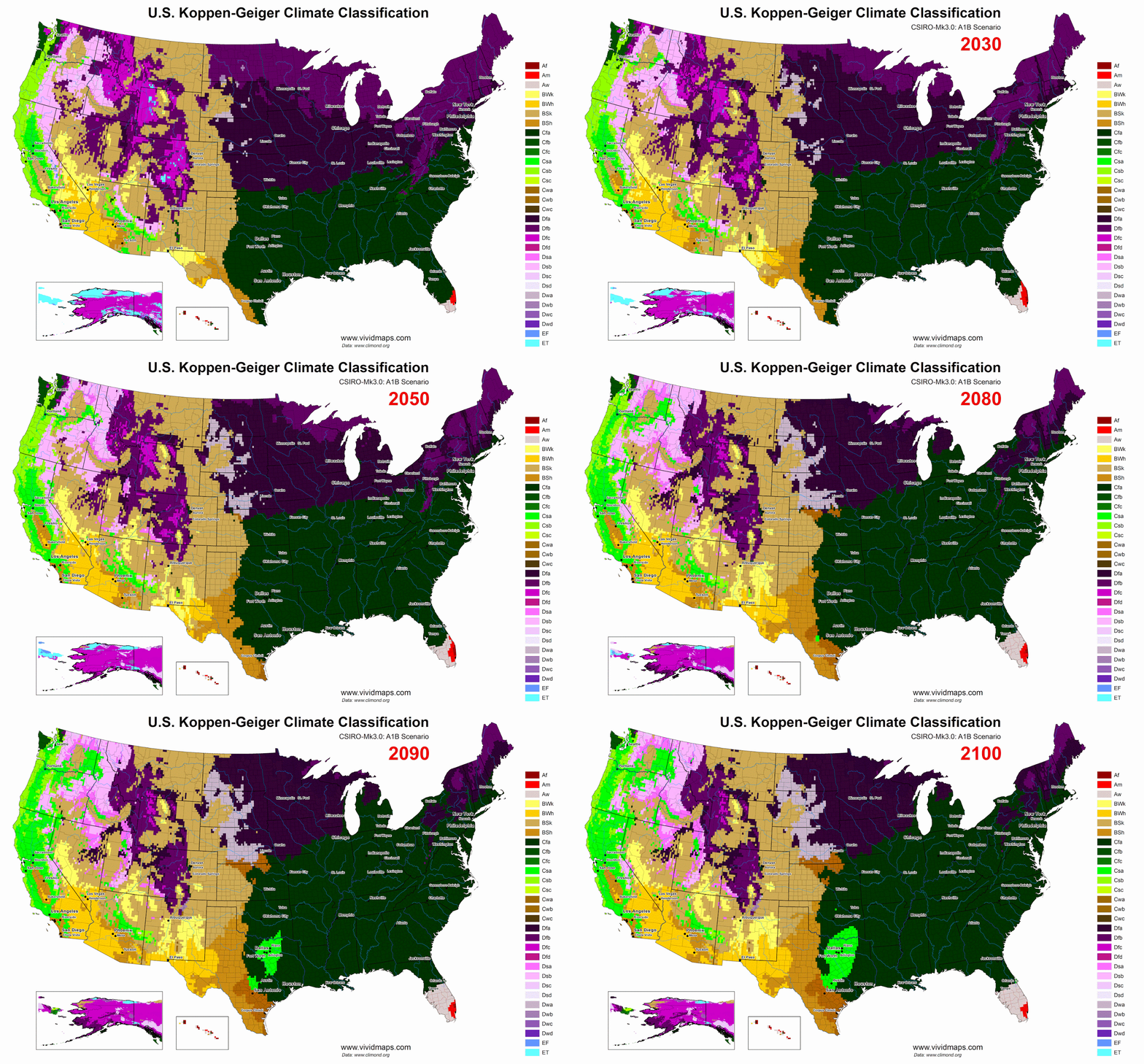
Regional climate significantly influences the efficiency ratings of heat pumps and furnaces, as different areas have varying heating and cooling demands. In warmer climates, heat pumps may outperform traditional heating systems due to their dual heating and cooling capabilities. Conversely, in colder regions where extreme temperatures are common, the efficiency of heat pumps may diminish as the outdoor temperature drops, making high-efficiency furnaces a more practical choice.
Factors such as local energy costs, climate patterns, and specific household needs should be considered when selecting a heating system. Homeowners in colder regions may prioritize AFUE ratings, while those in warmer areas might focus on SEER ratings for optimal energy efficiency.Overall, understanding these energy efficiency ratings and how they relate to climate and energy consumption can help homeowners choose the most effective heating system for their needs.
Compare the operational costs of heat pumps versus furnaces in various climates.

When it comes to choosing between heat pumps and furnaces, understanding the long-term operational costs is essential. These costs can vary significantly based on factors such as the type of energy used, regional pricing, and specific climate conditions. Let’s dive into how these elements play a role in determining which heating system may be more economical in different scenarios.The operational costs of heating systems are influenced primarily by the energy source they utilize—electricity for heat pumps and natural gas or propane for furnaces.
In regions where electricity rates are high, heat pumps may be less cost-effective, especially during peak winter months when their efficiency can drop. Conversely, in areas where natural gas is inexpensive, furnaces may present a more budget-friendly option. Additionally, local climate plays a crucial role; heat pumps tend to be more efficient in moderate climates, while furnaces usually outperform in extremely cold conditions due to their ability to produce heat at a higher output.
Factors Influencing Long-term Operational Costs
Several factors come into play when assessing the operational costs of heat pumps and furnaces, such as energy prices and installation costs. Here’s a breakdown of these elements:
Energy Prices
Electricity costs fluctuate significantly across different regions, directly impacting heat pump operational expenses. In contrast, natural gas prices can also vary based on local market conditions. For instance, some areas may experience lower gas prices that make furnaces more economical over time.
Installation Costs
The initial installation costs can differ based on the type of system chosen and the local labor rates. Heat pumps often require a higher upfront investment due to their complex setup, whereas traditional furnaces can be less expensive to install. However, the savings from energy efficiency with heat pumps can offset these initial costs in the long run.
Climate Conditions
The efficiency of heat pumps decreases in extremely cold weather, which can lead to higher operational costs as they may require supplemental heating. Meanwhile, furnaces maintain their efficiency even in harsh winter conditions, making them a reliable choice in colder climates.To provide a clearer picture, the following table illustrates potential yearly operational costs for both heating systems across various geographic areas:
| Geographic Area | Heat Pump Yearly Cost | Furnace Yearly Cost |
|---|---|---|
| Southern California | $1,200 | $1,500 |
| Midwestern USA | $1,800 | $2,200 |
| Northeast USA | $2,500 | $1,900 |
| Pacific Northwest | $1,500 | $2,000 |
“Understanding the balance of installation and operational costs can lead to smarter decisions regarding heating choices.”
The table showcases how geographic location influences the operational costs of heat pumps versus furnaces, highlighting the importance of considering both immediate and long-term financial implications when selecting a heating system.
Explore the environmental impact of using heat pumps in contrast to furnaces.
The environmental impact of heating systems is a crucial consideration in today’s quest for sustainable living. While traditional furnaces primarily rely on fossil fuels, heat pumps present a more eco-friendly alternative by utilizing electricity to transfer heat. Understanding the differences in carbon emissions and overall environmental footprint between these two systems can help homeowners make informed decisions for both comfort and sustainability.Heat pumps, by design, are significantly more efficient than conventional furnaces, which translates into lower carbon emissions during operation.
Furnaces that burn fossil fuels release carbon dioxide and other greenhouse gases directly into the atmosphere, contributing to climate change. In contrast, heat pumps can operate on electricity generated from renewable sources, such as solar or wind power, drastically reducing their carbon footprint.
Benefits of heat pumps in using renewable energy sources
Adopting heat pumps facilitates a notable shift towards renewable energy, which is essential for mitigating climate change. Using electricity from renewable sources allows heat pumps to operate with little to no carbon emissions. This transition presents several advantages:
- Reduction in greenhouse gas emissions: When powered by renewable energy, heat pumps can operate with near-zero carbon emissions, drastically reducing their environmental impact.
- Increased energy efficiency: Heat pumps can move heat rather than generate it, using as little as one unit of electricity to move three or four units of heat, leading to lower energy consumption.
- Support for grid stability: By integrating with renewable energy sources, heat pumps can help balance the energy load, creating a more resilient and sustainable energy grid.
Advantages of reducing fossil fuel dependency with heat pumps
Transitioning to heat pumps diminishes reliance on fossil fuels, promoting a cleaner energy future. This shift has several implications for both the environment and energy independence:
- Decreased air pollution: Lower combustion of fossil fuels leads to better air quality, reducing health risks associated with pollutants such as nitrogen oxides and particulate matter.
- Energy independence: By utilizing heat pumps powered by local renewable energy resources, communities can become less dependent on imported fossil fuels, enhancing energy security.
- Long-term cost savings: While the initial investment in heat pumps may be higher, the reduced operational costs and potential incentives for renewable energy can lead to significant savings over time.
“Heat pumps represent a pivotal technology in the transition toward a sustainable energy future, enabling a drastic reduction in carbon emissions and promoting energy efficiency.”
By understanding the environmental impacts of heating systems, homeowners can make choices that not only provide comfort but also contribute to a sustainable future.
Elaborate on the maintenance requirements for heat pumps and furnaces to ensure optimal efficiency.
Routine maintenance is essential for both heat pumps and furnaces to operate at their best efficiency. Regular upkeep not only enhances performance but also extends the lifespan of these heating systems. Understanding the specific maintenance needs for each system can lead to significant savings in energy costs and repairs over time.It’s crucial to highlight that a well-maintained system operates more efficiently, translating into lower utility bills and improved comfort levels in your home.
Neglecting maintenance can contribute to decreased performance, higher energy consumption, and premature system failures.
Routine maintenance tasks for heat pumps and furnaces
Both heat pumps and furnaces require specific routine maintenance tasks to function optimally. Here are the essential tasks to consider for each:
- Regularly replace or clean air filters to maintain airflow and improve efficiency.
- Inspect and clean the system’s evaporator and condenser coils at least once a year.
- Ensure that the drain lines are clear to avoid water damage and humidity issues.
- Check and calibrate the thermostat for accurate temperature readings and comfort control.
- Inspect ductwork for leaks and seal any gaps to improve airflow and efficiency.
- Schedule professional inspections and tune-ups annually for both systems.
Maintaining a heat pump typically involves more intricate tasks than maintaining a furnace due to its dual function of heating and cooling. However, regular attention to both systems can lead to substantial longevity and efficiency gains.
Impact of maintenance on longevity and efficiency
Consistent maintenance plays a pivotal role in prolonging the lifespan of heat pumps and furnaces while ensuring they operate efficiently. A well-maintained system can last significantly longer than one that is neglected. For instance, heat pumps can have a lifespan of 15 to 20 years with proper care, while furnaces can last 15 to 30 years, depending on the type and maintenance history.In addition to longevity, routine maintenance boosts energy efficiency.
A furnace that is regularly serviced can operate at up to 95% efficiency, while a heat pump’s efficiency is often measured by its Seasonal Energy Efficiency Ratio (SEER) and Heating Seasonal Performance Factor (HSPF), which can deteriorate by as much as 5% per year if not properly maintained.
“Preventive maintenance is the key to sustaining high efficiency and extending the life of your heating systems.”
Troubleshooting common issues with heat pumps and furnaces
Understanding common issues and their troubleshooting methods is crucial for maintaining both heat pumps and furnaces. Here are steps to address typical problems:
- If the heat pump is not heating properly, check the thermostat settings and ensure it’s set to ‘heat.’
- For a furnace that won’t start, inspect the power supply and ensure the circuit breaker hasn’t tripped.
- If airflow is weak, clean or replace air filters and check for blockages in vents.
- In case of unusual noises from either system, listen for rattling or grinding sounds that could indicate a mechanical issue that requires professional attention.
- For a heat pump that frequently cycles on and off, check the outdoor unit for obstructions and clean the coils as needed.
Prompt assessment and troubleshooting of minor issues can prevent larger problems down the line. Understanding these maintenance requirements ensures that your heating systems remain efficient, safe, and reliable throughout their operational lifespan.
Create a scenario analysis of when to choose a heat pump over a furnace based on specific conditions.

Choosing between a heat pump and a furnace is a crucial decision for homeowners, especially considering the impact on energy efficiency, cost, and overall comfort. Understanding the various factors that influence this choice can help consumers make informed decisions tailored to their unique situations. Here, we analyze specific conditions that make one system preferable over the other.Several factors play a pivotal role in determining whether a heat pump or a furnace is the better option for a household.
These include household size, insulation quality, local climate, and existing infrastructure. By evaluating these aspects, homeowners can align their heating system choices with both their needs and environmental considerations.
Key Factors Influencing Decision-Making
When deciding between a heat pump and a furnace, it’s essential to consider multiple elements that can influence efficiency and comfort levels. Below are some key factors:
- Household Size: Larger households may require more robust heating solutions, often leaning towards furnaces, while smaller homes could benefit from heat pumps for their efficiency.
- Insulation Quality: Well-insulated homes retain heat better, making heat pumps effective even in cooler climates. Poor insulation may necessitate the stronger heating capabilities of a furnace.
- Local Climate: In regions with mild winters, heat pumps can efficiently provide heating and cooling. Conversely, in areas with extreme cold, a furnace might be more reliable.
- Energy Costs: Local energy prices can impact the overall cost-effectiveness of each option, with heat pumps generally being more efficient in moderate climates.
- Environmental Considerations: Homeowners looking to reduce their carbon footprint may prefer heat pumps, which use renewable energy sources and have a lower overall environmental impact.
To illustrate these factors in a real-world context, consider the following case study involving the Johnson family, who are weighing their options for home heating. The Johnsons live in a 2,500-square-foot home located in a region that experiences mild winters, with average winter temperatures rarely dropping below 30°F. Their home is well-insulated, with energy-efficient windows and doors. Given these conditions, the family is exploring whether to install a heat pump or a traditional furnace.After researching their options, they discover that:
Energy Efficiency
A heat pump provides heating and cooling, making it dual-purpose and efficient for their climate.
Cost Savings
The Johnsons find that the operating costs of a heat pump are lower than those of a furnace, especially with the potential for rebates and incentives for heat pump installation.
Comfort Needs
The ability of the heat pump to maintain consistent indoor temperatures aligns with the family’s comfort preferences.Ultimately, after weighing the benefits of energy efficiency and cost-effectiveness, the Johnson family decides to install a heat pump, recognizing that it suits their specific needs and contributes positively to their energy consumption and environmental impact.This scenario showcases how tailored assessments based on household conditions can guide homeowners in choosing between a heat pump and a furnace effectively.
Demonstrate how advancements in technology are enhancing the energy efficiency of both heat pumps and furnaces.
The quest for greater energy efficiency in heating systems has led to significant advancements in technology for both heat pumps and furnaces. As these systems evolve, they incorporate innovative features that not only optimize performance but also contribute to substantial energy savings. This progress is particularly pertinent in today’s environmentally conscious society, where energy efficiency is a priority for homeowners and policymakers alike.Recent advancements in energy management technologies have transformed the way heat pumps and furnaces operate.
Smart technology, in particular, plays a crucial role in optimizing energy consumption. These innovations include smart thermostats, advanced sensors, and systems that integrate with home automation. These devices allow homeowners to monitor and control their heating systems remotely, leading to more efficient energy use. By learning user patterns and preferences, smart thermostats can adjust the heating schedule automatically, ensuring that energy is used only when necessary.
Innovations in Energy Management Technologies
Understanding the advancements in energy management technologies is vital for homeowners looking to optimize their heating systems. Below are several key innovations that have significantly enhanced the efficiency of heat pumps and furnaces:
- Smart Thermostats: These devices can learn a homeowner’s habits and adjust temperatures accordingly, reducing unnecessary heating during off-peak hours.
- Variable Speed Compressors: Found in modern heat pumps, these compressors adjust their output based on the current heating demand, providing more consistent temperatures and using less energy.
- Enhanced Insulation and Materials: Advanced materials in heat exchangers and furnace components minimize energy loss, improving overall system efficiency.
- Home Automation Integration: Heating systems that connect with other smart home devices can optimize performance based on real-time data, leading to better energy management.
The implementation of these technologies not only enhances energy efficiency but also contributes to increased comfort levels within homes. For example, a smart thermostat can reduce energy consumption by as much as 10-15% compared to traditional thermostats, which translates into significant cost savings over time.Government incentives play a crucial role in encouraging the adoption of these energy-efficient technologies. Many regions offer tax credits, rebates, and low-interest financing options for homeowners who invest in energy-efficient systems.
These incentives not only offset the initial costs of upgrading to advanced heating systems but also promote a broader shift towards sustainable energy use. By making energy-efficient technologies more financially accessible, governments are fostering an environment where homeowners are motivated to prioritize sustainability.
The integration of smart technologies in heating systems is revolutionizing energy efficiency, paving the way for a sustainable future.
